



Description
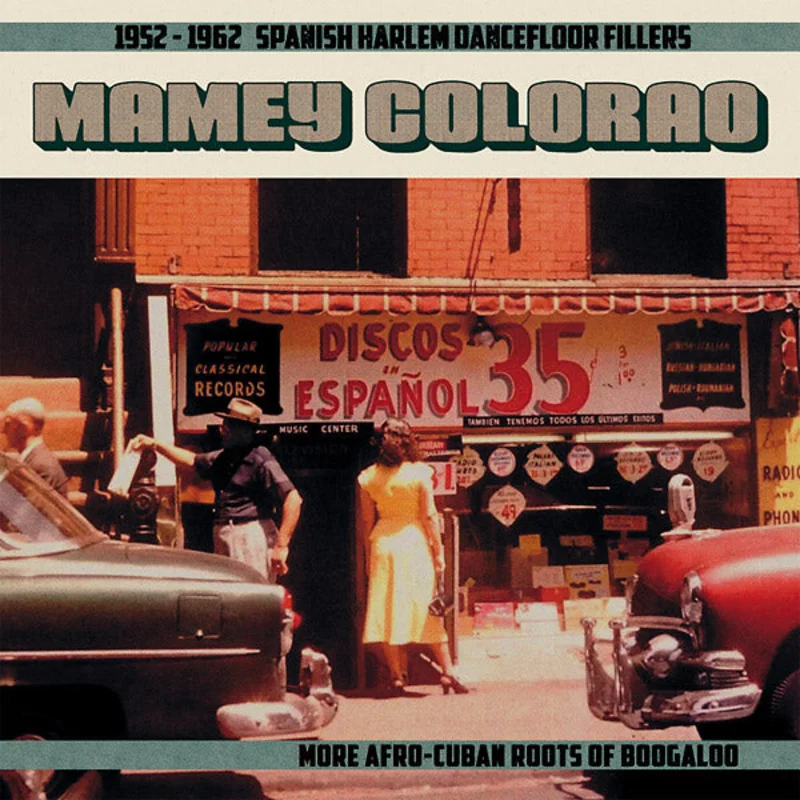
In this series, Grosso! Recordings bring in some of the names of the Latin bands based in New York between the ’40s and early ’60s and other recordings done in Cuba by Orquestas or Conjuntos likesFlix Chappottn,Jos Curbelo, andLa Playa Sextetthat were a big influence for Latinos in New York. Think musicians of the stature ofEddie Palmieri,Mongo Santamara,Noro Morales,Francisco Aguabella,Cal Tjader, orMachito. “Mamey Colorao”, a well-known composition byPeruchin Justz, is the album title of third volume from theAfro-Cuban Roots Of Boogaloocompilation series by Grosso! Recordings, performed byTito Puenteand later covered on a more electric version byOcho. Side A opens out a variety of more traditional Cuban numbers such as “No Tiene Telaraa” by Jos Curbelo’s Orquesta, “El Baile Suavito”, a heavy duty tune performed byOrquesta Aragn, and a very well-known cha-cha-ch “Rico Vaciln” written byRosendo Ruz Quevedoon the inimitable voice ofMachito & his Afrocubans. “Garbage Man’s Chachach (La Basura)” by La Playa Sextet highlights an electric guitar sound that anticipates the fusion of the traditional and the new sounds that would lead into the ‘Boogaloo’ and ‘Salsa’. A couple of montunos round off the A side, “Quimbomb” fromFlix Chappotn Orchestrawith the legendaryMiguelito Cunand “Bolita” with a double entendre ofBimbiand hisTro Oriental. Noro Morales opens the B side with “Vitamina”, a traditional mambo followed by “Palo Mayombe”, a pachanga rhythm with the distinctive Afro-sound of Mongo Santamaria. An exquisite version of “El Gaviln” is performed by Eddie Palmieri on piano with an outstanding brass section that would years later identify theFania All Stars‘ sound. The last three tracks bring about a turning point on the concept of the album: “Wachi Wara” byDizzy Gillespiein a Latin jazz vein performed by the always modern and elegant Cal Tjader, a version of “Titoro”, by Tito Puente, with a Brazilian vibe at times interpreted by vibraphonistBobby Montezand concluding, Francisco Aguabella with “Shirley’s Guaguanco”, a jazzy tune with a traditional guaguanc rhythm and sound on the congas and bongo with a final coro reminiscent of the very Cuban “rumba de solar”.
Reviews
There are no reviews yet.