



Description
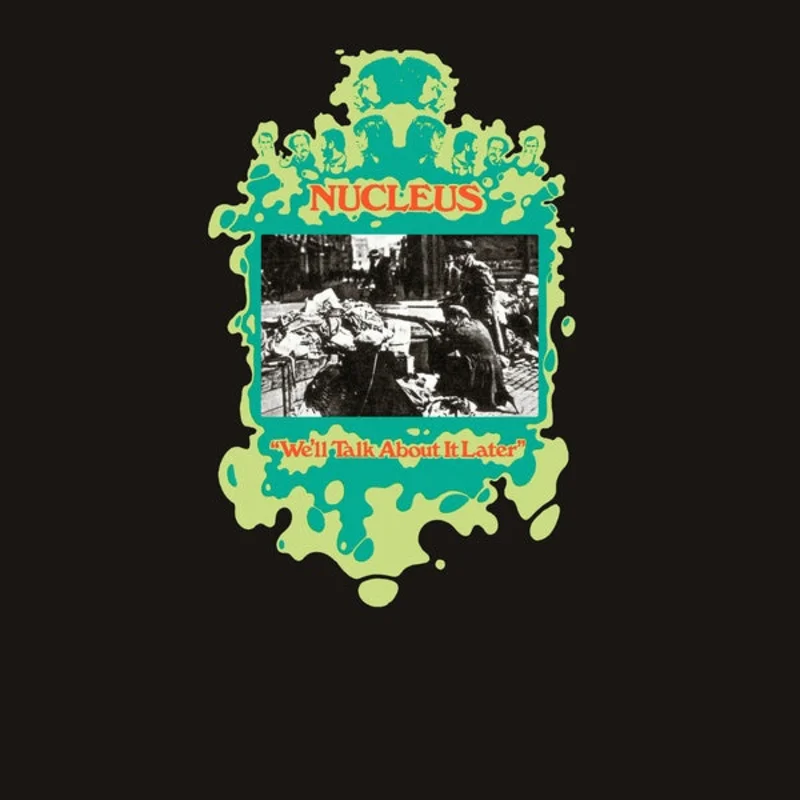
With breaks for days and an almost ambient, heavy jazz atmosphere throughout, this is the apex of British jazz-rock fusion.We’ll Talk About It Laterwas first released on Vertigo in 1971 and original copies are now very tricky to score. Genius trumpeter and visionary composerIan Carrwas one of the most respected British musicians of his era. He was a true pioneer and saw the potential in fusing the worlds of jazz with rock, just asMiles DavisandThe Tony Williams Lifetimedid in the US.We’ll Talk About It Lateris arguablyNucleus‘s best album. Not only that, it’s in the top five of all fusion albums. By the time Nucleus entered Trident Studios in September 1970 to recordElastic Rock‘s successor, they had already won a best group award at the Montreux Jazz Festival. The group work and insane musicianship Nucleus were famed for is in evidence from the off. The intensely funky “Song for the Bearded Lady” features counterpoint riffing segues into a spacious groove and a Carr trumpet solo demonstrating the influence of electric Miles from the period. The stop-start funk of “Sun Child” would appeal toSoft Machinedevotees whilst the genuinely touching “Lullaby For A Lonely Child” is a lovely downtempo ballad. Featuring an understated, reflective horn line from Carr andBrian Smithand atmospheric, shimmering bouzouki fromChris Spedding, there’s an exotic flavor which contributes to the bliss. The ominous, sleazy title track retains a swaggering menace and is not the only track to lend a sort of heavy stoner rock atmosphere. The guitars and bass are deep and low throughout, conjuring heavy psych moments to go with the actual jazz and even funk. To say this album was in conversation withBitches Brewwould not be overstating the sheer brain-frying brilliance.The Weather Report-adjacent “Oasis” opens Side B, a colossal track featuring nearly ten minutes of steadily building melodic horns, keys and choppy guitar riffs. Spedding adds unique vocals to the undeniable groove of “Ballad of Joe Pimp” whilst saxophonist Smith’s duet with drummerJohn Marshallat the conclusion of “Easter 1916” — inspired by the Yeats poem about the Irish nationalist uprising in Dublin — adopts the wildness of the most incendiary free jazz. Remastered from the original Vertigo master tapes bySimon Francis. Cut byCicely Balstonat AIR Studios.
Reviews
There are no reviews yet.