

Description
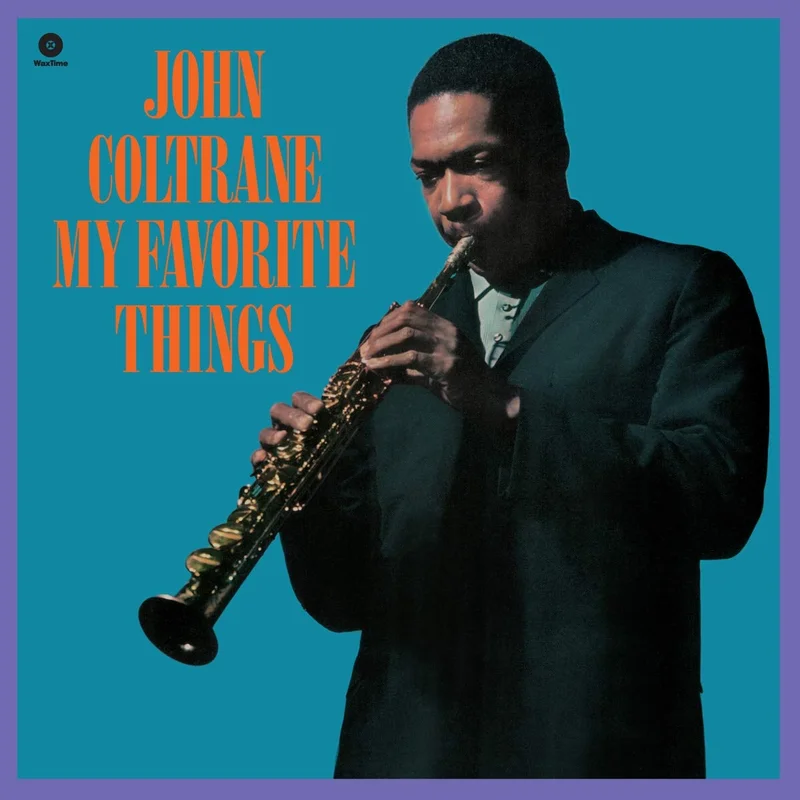
Although seemingly impossible to comprehend, this landmark jazz date made in 1960 was recorded in less than three days. All the more remarkable is that the same sessions which yieldedMy Favorite Thingswould also inform a majority of the albumsColtrane Plays the Blues,Coltrane’s Sound, andColtrane Legacy. It is easy to understand the appeal that these sides continue to hold. The unforced, practically casual soloing styles of the assembled quartet — which includesColtrane(soprano/tenor sax),McCoy Tyner(piano),Steve Davis(bass), andElvin Jones(drums) — allow for tastefully executed passages lathe Miles Davis Quintet, a traitColtraneno doubt honed during his tenure in that band. Each track of this album is a joy to revisit. The ultimate listenability may reside in this quartet’s capacity to not be overwhelmed by the soloist. Likewise, they are able to push the grooves along surreptitiously and unfettered. For instance, the support that the trio — most notablyTyner— gives toColtraneon the title track winds the melody in and around itself. However, instead of becoming entangled and directionless, these musical sidebars simultaneously define the direction the song is taking. As a soloist, the definitive soprano sax runs during theCole Porterstandard “Everytime We Say Goodbye” and tenor solos on “But Not for Me” easily establishColtraneas a pioneer of both instruments. -All Music Guide
Reviews
There are no reviews yet.