

Description
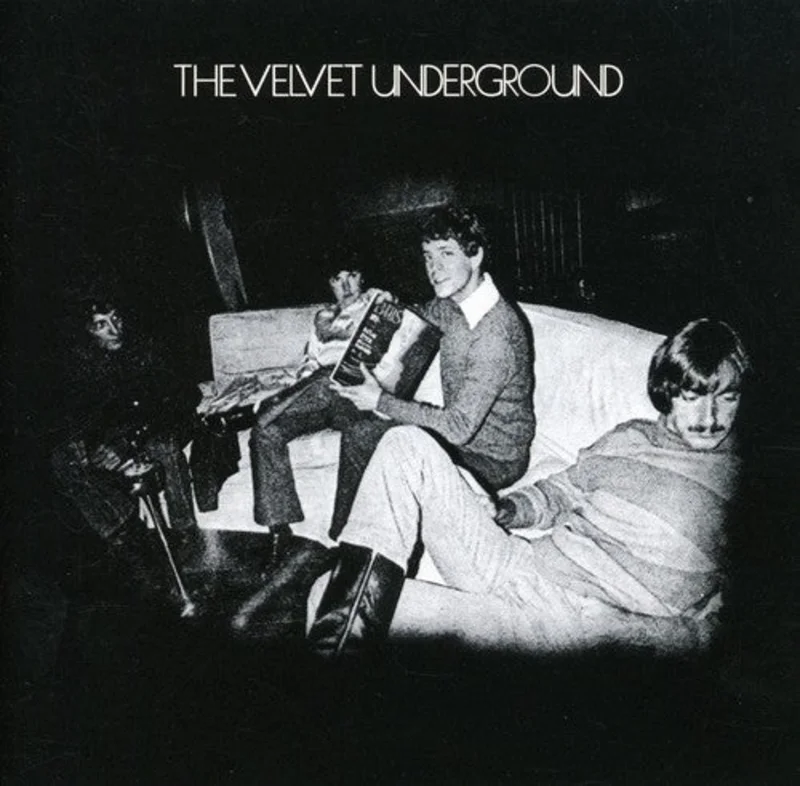
Upon first release,the Velvet Underground‘s self-titled third album must have surprised their fans nearly as much as their first two albums shocked the few mainstream music fans who heard them. After testing the limits of how musically and thematically challenging rock could be onVelvet Underground & NicoandWhite Light/White Heat, this 1969 release sounded spare, quiet, and contemplative, as if the previous albums documented some manic, speed-fueled party and this was the subdued morning after. (The album’s relative calm has often been attributed to the departure of the band’s most committed avant-gardist,John Cale, in the fall of 1968; the arrival of new bassistDoug Yule; and the theft of the band’s amplifiers shortly before they began recording.) ButLou Reed‘s lyrical exploration of the demimonde is as keen here as on any album he ever made, while displaying a warmth and compassion he sometimes denied his characters. “Candy Says,” “Pale Blue Eyes,” and “I’m Set Free” may be more muted in approach than what the band had done in the past, but “What Goes On” and “Beginning to See the Light” made it clearthe VUstill loved rock & roll, and “The Murder Mystery” (which mixes and matches four separate poetic narratives) is as brave and uncompromising as anything onWhite Light/White Heat. This album sounds less likethe Velvet Undergroundthan any of their studio albums, but it’s as personal, honest, and moving as anythingLou Reedever committed to tape.
Reviews
There are no reviews yet.