




Description
Maya Ongaku are always looking beyond the confines of the idyllic but rapidly gentrifying enclave of their beloved Enoshima. Feeding off of the energy that still radiates from the triumphant, decade-long journey of their label bosses band Kikagaku Moyo, who rose to global prominence from scrappy beginnings busking on the streets of Takadanobaba, they hope to go wherever inspiration takes them, to anywhere around the globe where their music can find a home.
Hailing from the seaside communities surrounding Enoshima, a small island located 50 km southwest of Tokyo, Maya Ongaku is a ragtag collective of local musicians whose brand of earthy psychedelia transcends widely beyond the roots of their inner souls. The name derives not from any kind of ancient civilization, but rather a neologism defined as the imagined view outside ones field of vision. The band currently a trio of Tsutomu Sonoda, Ryota Takano, and Shoei Ikedafinds sanctuary at the Ace General Store, a beachy vintage shop and salon-like space just hidden from sight from the bustling, touristy riverside Subana Street. Between discussions on music and art, curating the vinyl section and manning the register, and chatting up with locals young and old, the members find time to jam and record their spontaneous ideas in the studio tucked away in the back. Its in this unlikely setting where Maya Ongaku finds its origins, the culmination of what Sonoda describes as (shizen hassei), meaning spontaneous generation, or the supposed production of living organisms from nonliving matter.
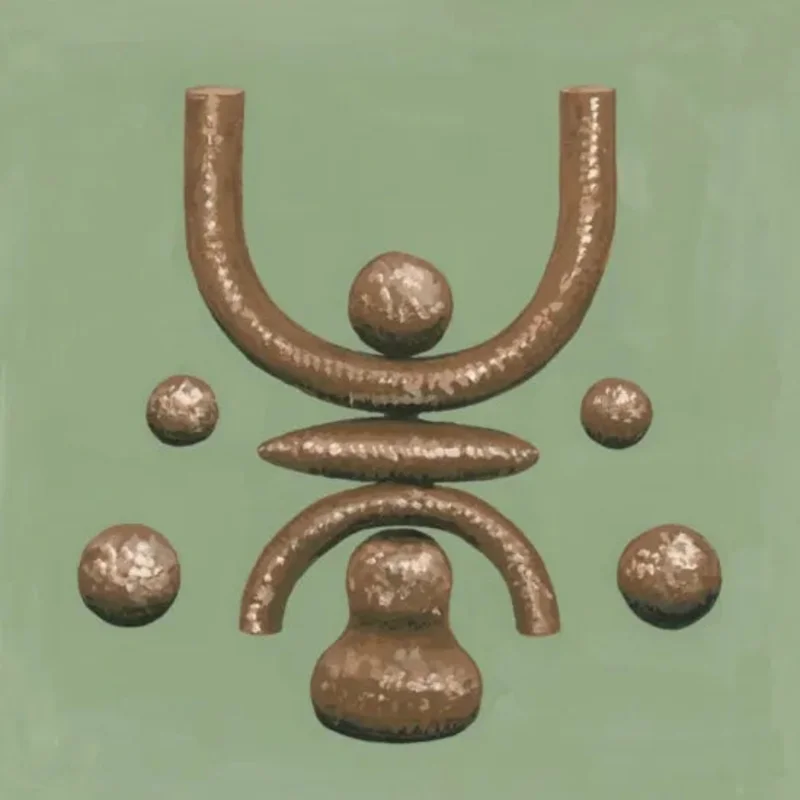
Approach to Anima, the groups debut album released on Guruguru Brain, finds Maya Ongaku building a foundational groove while tapping into their innermost psyche. Sonodas malleable guitar and vocals, Takanos sinuous bass lines, Ikedas floating woodwinds, and a sprinkling of delicate percussionall coalesce into an aural experience thats assertive yet abstract, calm but unsettling. The slow building, sax-laden Approach serves as an introduction to Maya Ongakus world, while the appropriately-named Water Dream floats its way toward the gentle finale of Pillow Song. Its a concise distillation of their many interests and influences, from Neo- Dada and Fluxus, to where contemporary art intersects with the development of modern recording technology in the 60s and 70s.
Reviews
There are no reviews yet.