
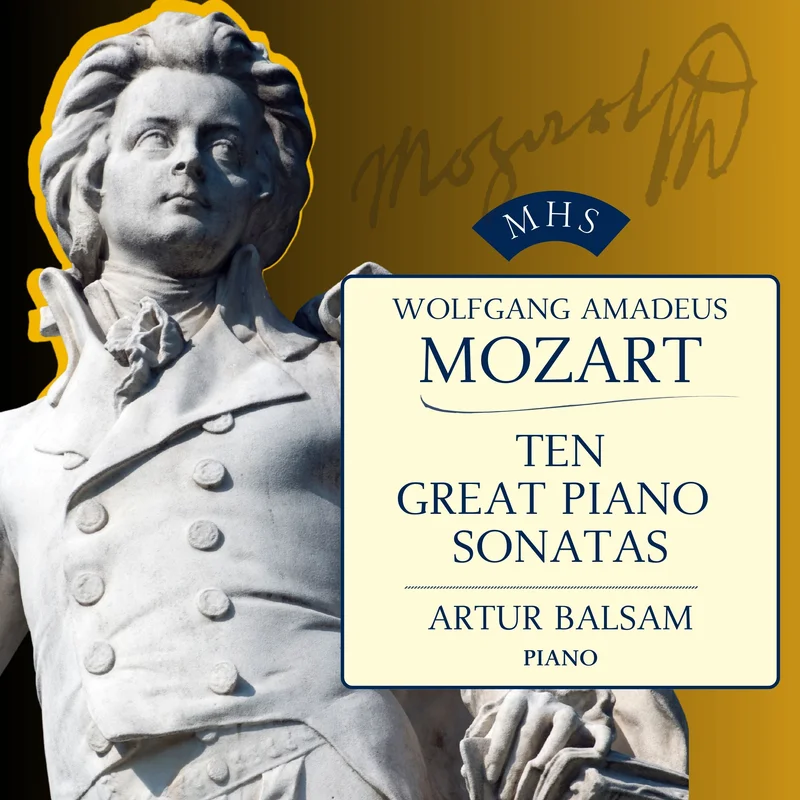






Description
Of all the editions of Mozart’s works printed before his death as high a proportion as nearly one-third was of his clavier music, a fact as revealing of Mozart’s reputation as of the importance of sonatas in the commercial world of 18th-century music.
During the second half of the century the sonata had, as it does today, different social and musical functions: primary vehicle for domestic music making; material for teaching purposes; display pieces for professional musicians, that is, for concert use, with the understanding that it was generally private, court performances rather than our familiar solo recitals; most common means for a composer to achieve a reputation through publication. The solo piano sonatas play a large role in Mozart’s career, principally because he was before the public as a keyboard virtuoso from his earliest years.
For this reason and because both the sonata and the piano itself were undergoing dramatic development in the latter part of the century, these works remain important documents without which the sonatas of Haydn’s maturity and Beethoven’s youth would have been somewhat different.
No. 10 in C Major, K. 330 (300h)
Allegro moderato -Andante cantabile Allegretto
SONATA No. 16 in C. Major, K. 545
Allegro -Andante -Rondo
SONATA No. 11 in A Major, K. 331 (300i)
Andante grazioso – Menuetto – Alla Turca (Allegretto)
SONATA No. 14 in C Minor, K. 457
Allegro -Adagio -Molto allegro
SONATA No. 13 in B-Flat Major, K. 333 (315c)
Allegro – Andante cantabile – Allegretto grazioso
SONATA No. 8 in A Minor, K. 310 (300d)
Allegro maestoso – Andante cantabile con espressione Presto
SONATA No. 12 in F Major, K. 332 (300k)
Allegro – Adagio – Allegro assai
SONATA No. 15 in F Major, K. 533
Allegro – Andante – Rondo: Allegretto (K. 494)
SONATA No. 5 in G Major, K. 283 (189h)
Allegro – Andante Presto
SONATA No. 17 in B-Flat Major, K. 570
Allegro – Adagio Allegretto
Reviews
There are no reviews yet.