

Description
Even with its commercial success though, amapianos DIY ethos has continued to disrupt music creation and distribution in the country. Most amapiano commercial successes today began their careers on cracked versions of production software like FL Studio, distributed their work through file sharing platforms like datafilehost and marketed it using social media pages they controlled and influenced.
Amapiano is partly a tasting menu of South Africas musical history, a lineage that has been as much a backdrop to the times as it has been a catalyst for change in the country. South African jazz has thrived pre and post-democracy, contributing international stalwarts of the genre, notably Miriam Makeba, Abdullah Ibrahim and Hugh Masekela. Kwaito musicwhich itself borrowed from other genres like marabi, kwela, mbaqanga, maskandi, bubblegum and otherswas created and proliferated in the 90s partly because of the newly accessible House music imported into the country. In the early 2000s, Deep and Afro House dominated, to be followed by the rise of diBacardi, a percussionheavy electronic music genre most popular in the city of Pretoria and its surrounding townships.
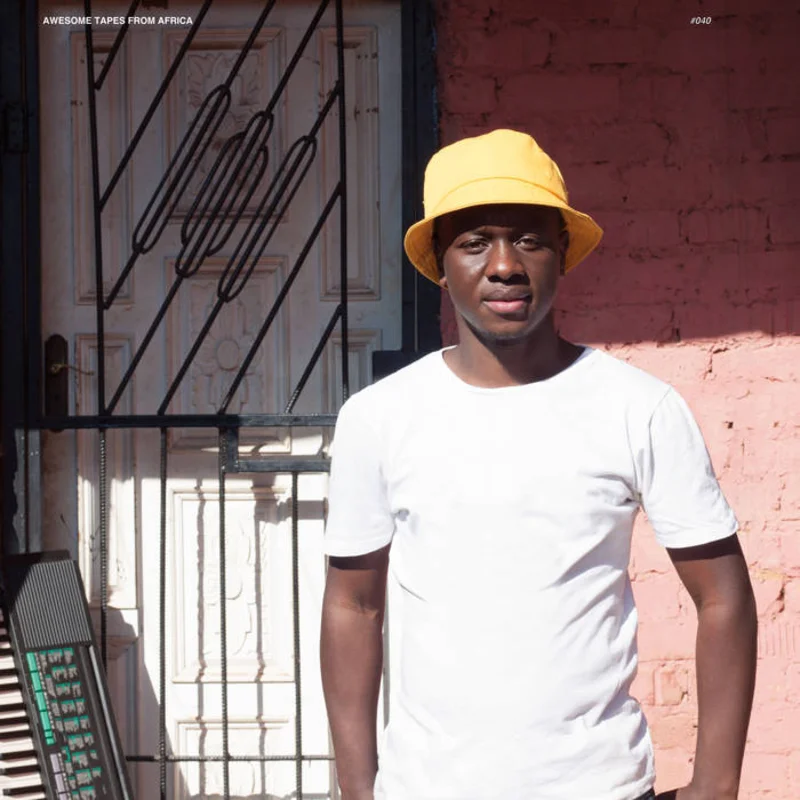
Amapiano Selections, the debut album by DJ and producer Teno Afrika, gives listeners outside the movements online release economy an insight into the high-burn nature of amapiano that has spawned a distinct typology under its larger umbrella. 21-year-old Lutendo Raduvha has spent the bulk of his life moving between different townships on the outskirts of Johannesburg and Pretoria in the Gauteng province. The palette of amapiano styles on the album reflect these influences.
But at first, South Africas youngest electronic music movement lived underground with a small, loyal following. Amapiano is a genre that I chose because I have a passion for it, says Teno I started following amapiano in 2016 because I wanted to explore how its produced. It was not taken seriously in our country.
Reviews
There are no reviews yet.