
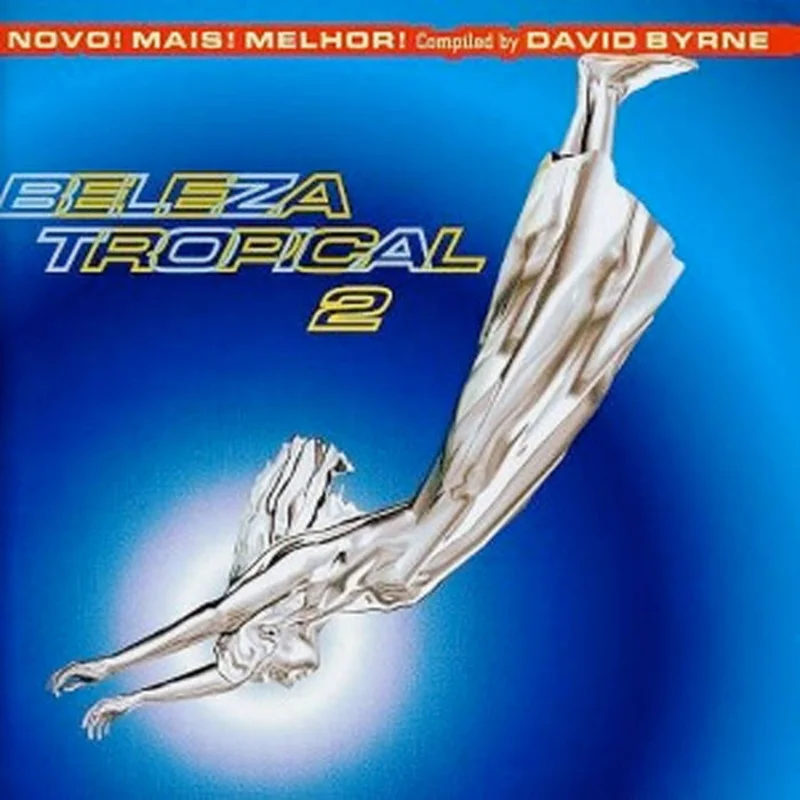

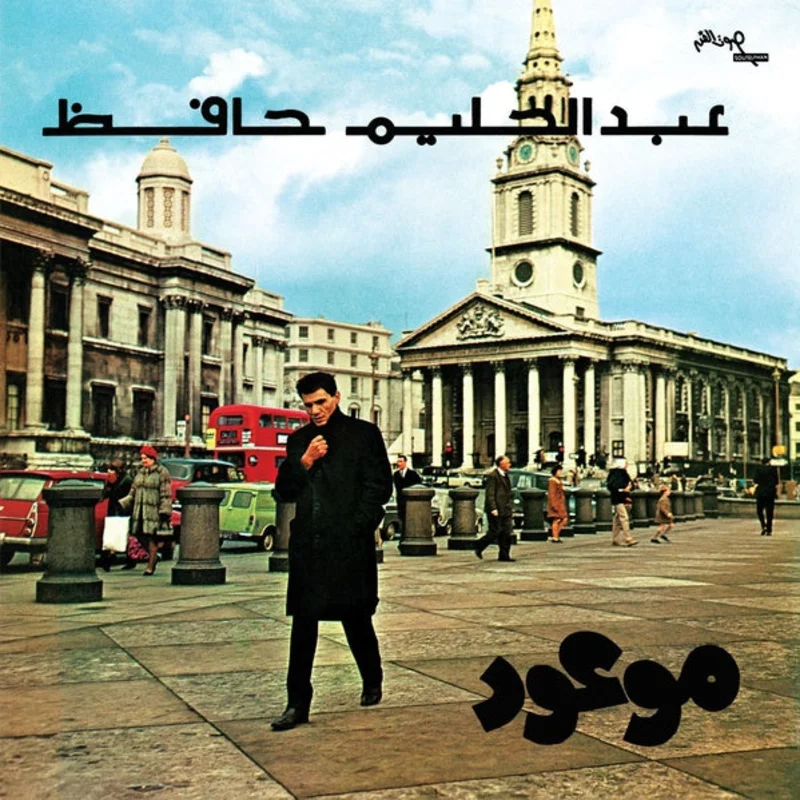
Description
“Im a singer and a composer. Samba is the mainstay of my career my main success. But Ive only done five out of 20 albums exclusively of samba. Samba is for dancing and listening to for getting across a message but all in a very relaxed way.
Samba, like all popular music, including almost all American and Brazilian music, has African origins. It began with the slaves to lighten the hard labor. In Brazil, its always been more relaxed, to liberate energy. The samba emerged through drums and dancing. It evolved in Bahia and Rio de Janeiro and then spread.
Ive been to New York several times. I like it very much. Ive sung in Washington and San Francisco. The first time, people thought Brazilian music was only bossa nova, which wasnt Samba for them, but it is. But samba of the samba schools with mulatto girls and tambourines the more visual side is one of the most powerful of feelings. You write a song and its sung dressed up, with fantasy and fancy dress. Its a moving theatre with thousands of people. A samba school has about 3,000 members. The great orchestra of 300 or so drummers. An enormous audience of thousands. Its fantastic
I dont analyze the things I do, I just do them. Analysis is something else. But, things always evolve. As you advance, you get experience and put more things in. You know more music. You enrich musically. You meet great musicians. You write sambas with richer melodies. Its like that the same motivation as writing a letter.
Samba is fundamental. In other rhythms you only do one kind of dance. But not in samba. Its much freer. You can dance samba your own way.”
-M. da Vila
Reviews
There are no reviews yet.