

Description
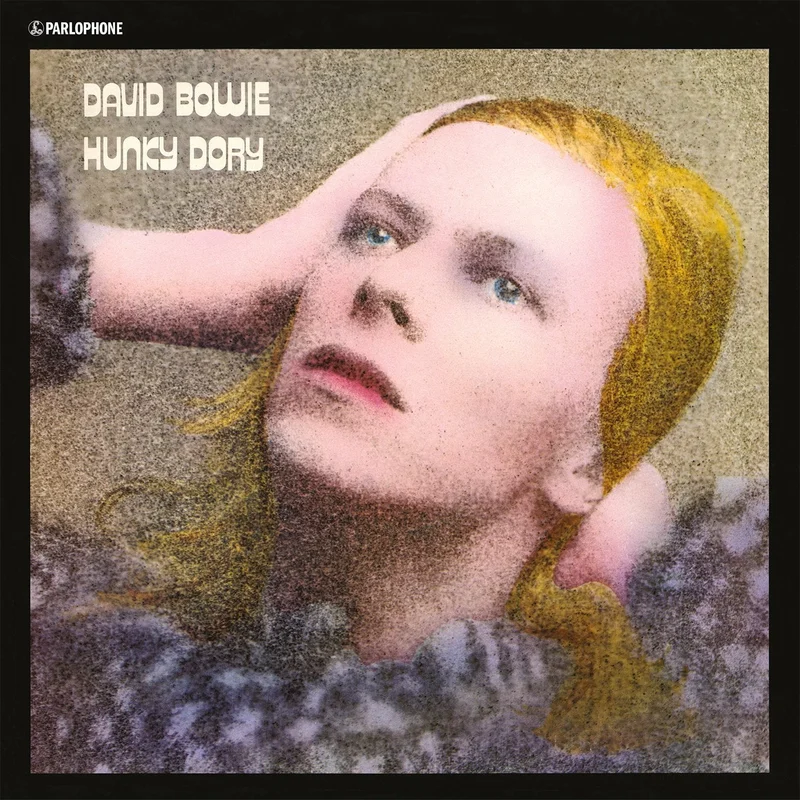
After the freakish hard rock ofThe Man Who Sold the World,David Bowiereturned to singer/songwriter territory onHunky Dory. Not only did the album boast more folky songs (“Song for Bob Dylan,” “The Bewlay Brothers”), but he again flirted withAnthony Newley-esquedancehall music (“Kooks,” “Fill Your Heart”), seemingly leaving heavy metal behind. As a result,Hunky Doryis a kaleidoscopic array of pop styles, tied together only byBowie‘s sense of vision: a sweeping, cinematic mlange of high and low art, ambiguous sexuality, kitsch, and class.Mick Ronson‘s guitar is pushed to the back, leavingRick Wakeman‘s cabaret piano to dominate the sound of the album. The subdued support accentuates the depth ofBowie‘s material, whether it’s the revamped Tin Pan Alley of “Changes,” theNeil Younghomage “Quicksand,” the soaring “Life on Mars?,” the rolling, vaguely homosexual anthem “Oh! You Pretty Things,” or the dark acoustic rocker “Andy Warhol.” On the surface, such a wide range of styles and sounds would make an album incoherent, butBowie‘s improved songwriting and determined sense of style instead madeHunky Dorya touchstone for reinterpreting pop’s traditions into fresh, postmodern pop music. -All Music Guide
Reviews
There are no reviews yet.