

Description
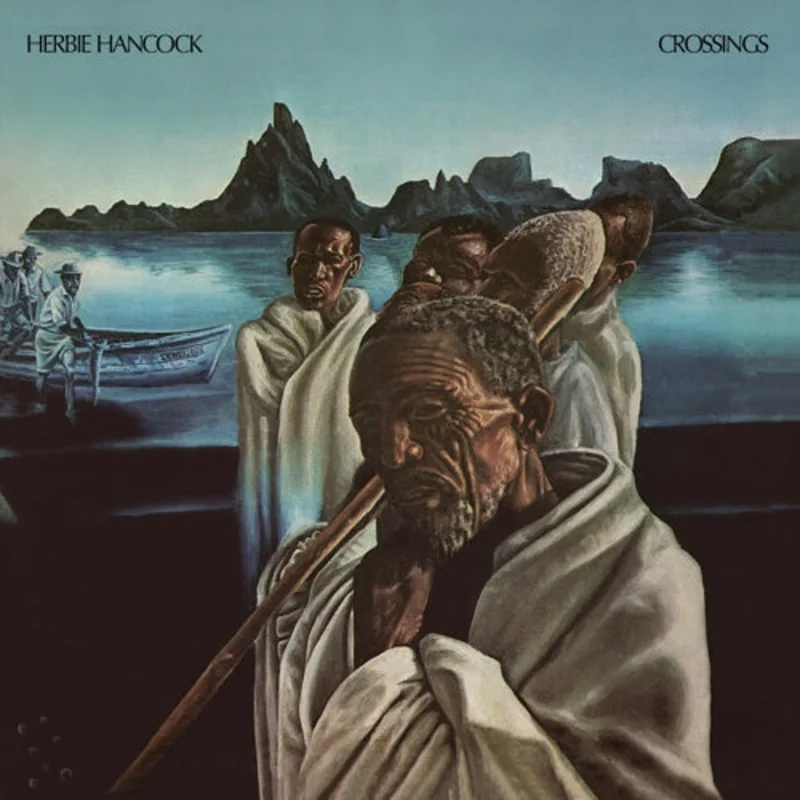
Crossings was the second release by the Herbie Hancock Sextet lineup known as the Mwandishi Band, following 1971s Mwandishi which stretched Hancocks already-adventurous writing and expanded the music through post-production. This approach would play an even larger role on Crossings, the pianists final album for Warner Bros.For two of Crossings three pieces (Quasar and Water Torture), Hancock took basic instrumental tracks to Patrick Gleesons Different Fur Studios, hoping to learn how to play the Moog synthesizer. Instead, Hancock let Gleeson contribute layers of sound to both pieces. On Quasar, a ballad in 7/4 time, Gleeson extends the horn playing of Bennie Maupin, Julian Priester and Eddie Henderson through electronic accents, while on Water Torture, he provides a ghostly counter melody on the Mellotron, a keyboard that utilizes samples from string instruments.These studio enhancements give Crossings an otherworldly dimension, making the album feel bigger and more fantastical, yet the Sextets playingrecorded without much in way of edits or overdubs keeps everything grounded. Indeed, Gleasons additions are often so natural that it is hard to pick out whats acoustic and whats synthesized.While the Mwandishi Bands tenure was unfortunately short-lived, the advances Herbie Hancock made with them still sound exciting today and would propel him into further inventive territory with future jazz-funk project The Headhunters.
Reviews
There are no reviews yet.