
Description
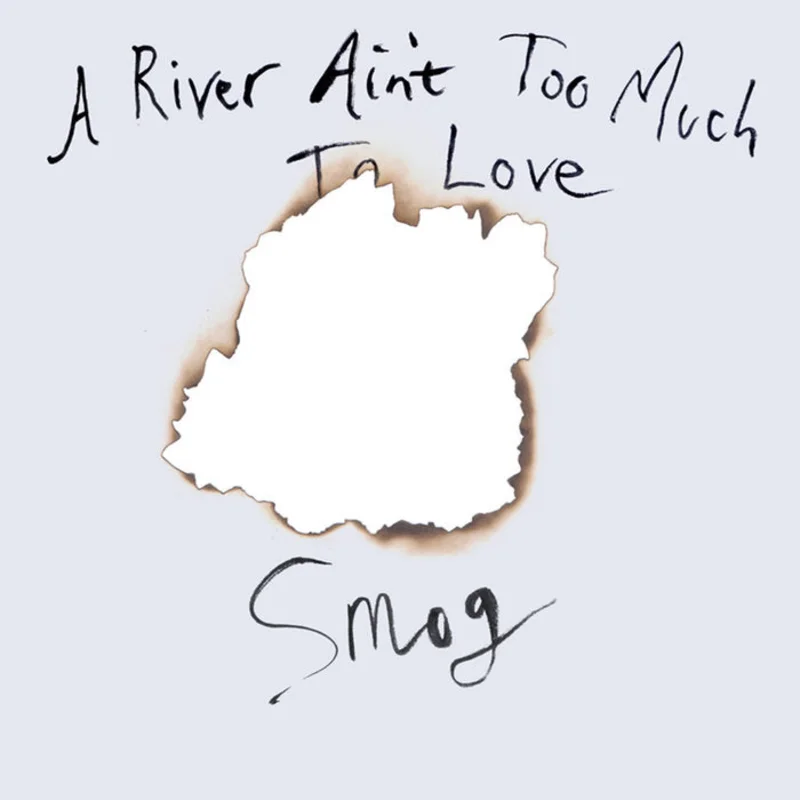
Smog‘sBill Callahangoes back to the root onA River Ain’t Too Much to Love, his first full-length offering in two years. While it’s true that his name is nearly synonymous with lo-fi, in recent yearsCallahanhas experimented with different — albeit simple — production techniques such as onDongs of SevotionandRain on Lens.Supper, issued in 2003, was more direct, both sonically and personally, and that tack is followed here, though the framework is even sparser. On this, his 12th album,Callahanjourneyed south from Chicago toWillie Nelson‘s Pedernales recording studio in Spicewood, TX. Accompanied bythe Dirty Three‘sJim Whiteonce more holding down the drum chair, and Connie Lovatt on bass and backing vocals,Callahanevokes the ethos and poetry of spooky American folk and country music without ever actually playing them in his own tomes, using mainly waltzes to frame them. Americana this ain’t.Callahanhas the ability to write first-person narrative songs that cannily juxtapose an evocative physcal landscape that metaphorically refernces deep emotional states; he uses it to great effect here. The skeletal “Say Valley Maker” equates the loss of and longing for love with a river’s ability to both fertilize and strip bare the floor of a valley.Callahan‘s acoustic guitar plays a pair of repetitive figures, graced by an unidentified shimmering sound just above the threshold of silence, graced byWhite‘s restrained, rudimentary beat. “Rock Bottom Riser” is a song of resurrection, and again, it’s a waltz. In the first verse, a nylon-stringed guitar hypnotically plays the changes in plectrum style, asWhiteuses brushes to shift time while underscoring it, making the tune seem to float. The singer speaks with gratitude to the memory of an absent lover. AsJoanna Newsom‘s piano underscores and fills the melody,Callahan‘s character finds a transformed sense of self in rising from his loss. It’s slippery, lilting pace and restrained vocal create a tension that frames the tune’s poignancy. The true nod to roots tradition here is also the album’s centerpiece. His version of “In the Pines” is reverent without feeling staid, hampered by its place in history. A delicate, reedy, meandering tempo adorned in a simple guitar line and drums unpacks the melody, andCallahan‘s delivery is the seed of memory as it comes up from the ether, urging the singer to tell the whole story while keeping his composure.Travis Weller‘s edgy fiddle exposes the crack in the tale, however, and the grain ofCallahan‘s voice walks the line between reverie and regret.A River Ain’t Too Much to Loveis a subdued, plaintive collection of songs that accompany silence; they encourage reflection without guile and unveil themselves without a hint of studied artifice. -All Music Guide
Reviews
There are no reviews yet.