
Description
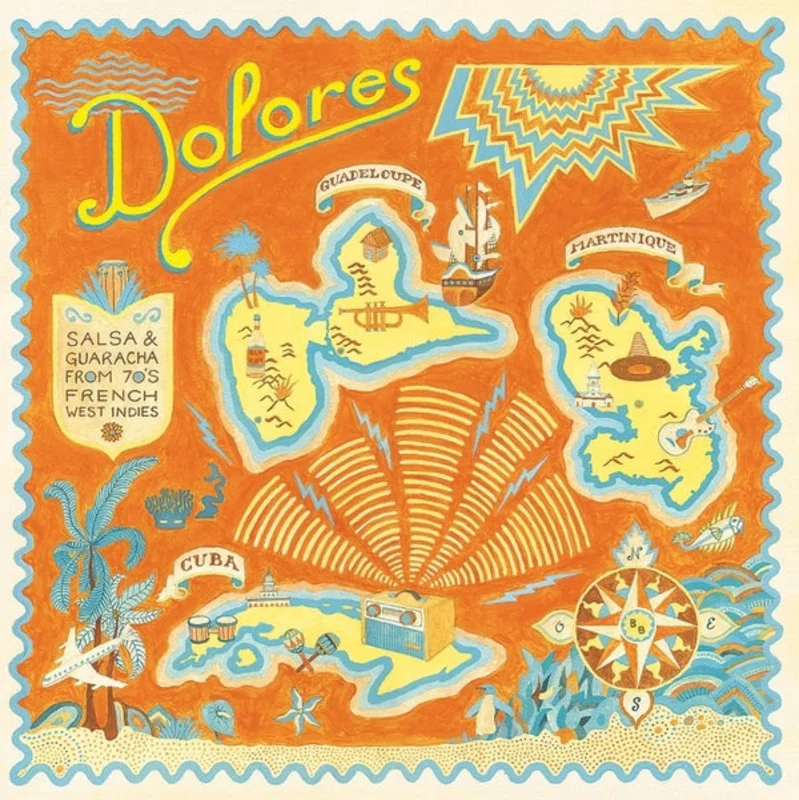
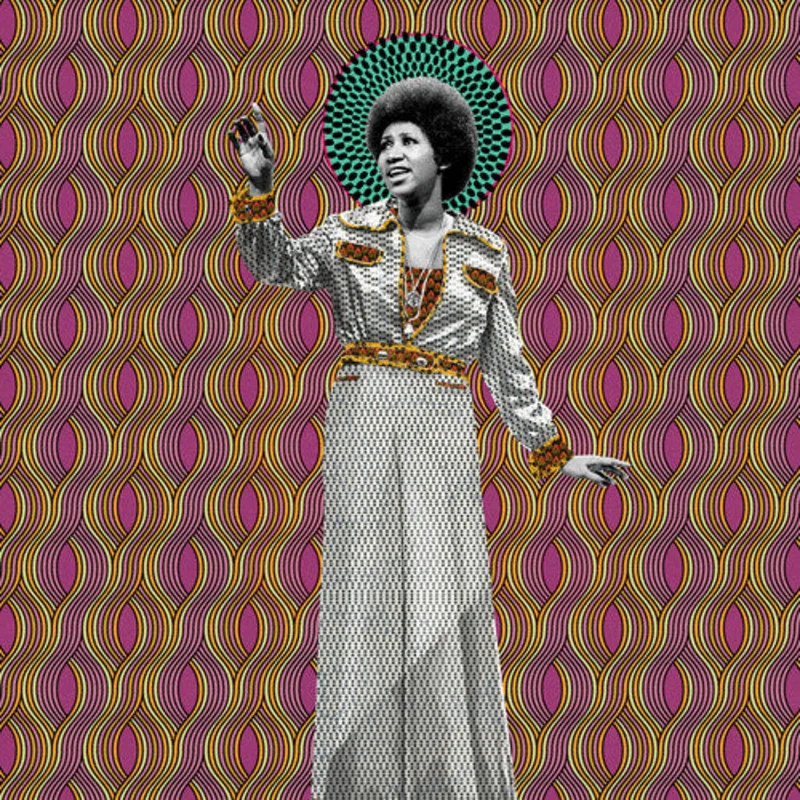
Here are fourteen tracks of untimely yet unprecedented cross-fertilization from the French West Indies: all types of music rooted in the Creole archipelago have found their way, whatsoever, to the tracklisting. Whether originating from the city or being more rural, they all go back to whatEdouard Glissant, in an interview about the place of West Indian music in the Afro-American scope, called “the trace of singing, the one which got erased by slavery.” The opening track features one of the emblematic orchestras of this aesthetic identity, criscrossing many music types from the archipelago. The 1974Ray Barrettoguajira is magnificently performed byMalavoi, a legendary Fayolais group. Additionally, the compilation ends on a piece byLos Martiniquenos de Francisco. Practicing the danmye rounds (a kind of capoeiria) to the rhythm of the bele drum, it delivers a terrific Caterete, a kind of champeta of Afro- Colombian obedience which was originally composed by ColombianFabian Ramon Veloz Fernandezfor the groupWgenda Kenya. The icing on the cake is BrazilianMarku Ribas, who found refuge in Martinique in the early 1970s, bringing his singing to the last trance-inducing track. TheLos Caraibescover of “Donde,” a famous Cuban theme composed by producerErnesto Duarte Brito, has a typical violin and features renowned Martinique singerJoby Valenteand his piquant voice. The meaningful “Amor en chachacha” byL’Ensemble Tropicana, a band which included Haitian musicians among whom was composer and leaderMichel Desgrotte, also recalls how Latin music was pervasive in the tropics in the mid-1960s. They were the ones keeping people dancing at Le Cocoteraie in Guadelupe and La Bananeraie in Martinique. Around the same time, another “foreign” band, CongoleseFreddy Mars N’Kounkou’s Ryco Jazz, achieved some success on both islands by covering Latin jazz classics. In a more typically salsa vein, theSuper Combo, a famous Guadelupean orchestra from Pointe-Noire that was formed around theDesplanfamily and hadRoger PlonquitteandElie Bianayon board, adapt “Serana,” a theme byRoberto Anglero Pepin.Leon Bertide‘s Martinican ensemble excelled at the boogaloo which had been composed by Puerto Rican saxophonistHector Santosfor the legendary El Gran Combo. Three years later, in 1972,Henri Guedon, with the help ofPaul Rosineon the vibraphone, tackled the Bilongo made famous byEddie Palmieri. On the high-value collectible single — the first one released by Les Aiglons under the Duli Disc label — there is a sticker classifying the track under the generic name “Afro.” Digipack CD includes 20-page booklet, and liners notes in French, Spanish, English. LP version includes 6-page booklet.from ’70s French West Indies
Reviews
There are no reviews yet.